Anger and Anxiety in the Workplace
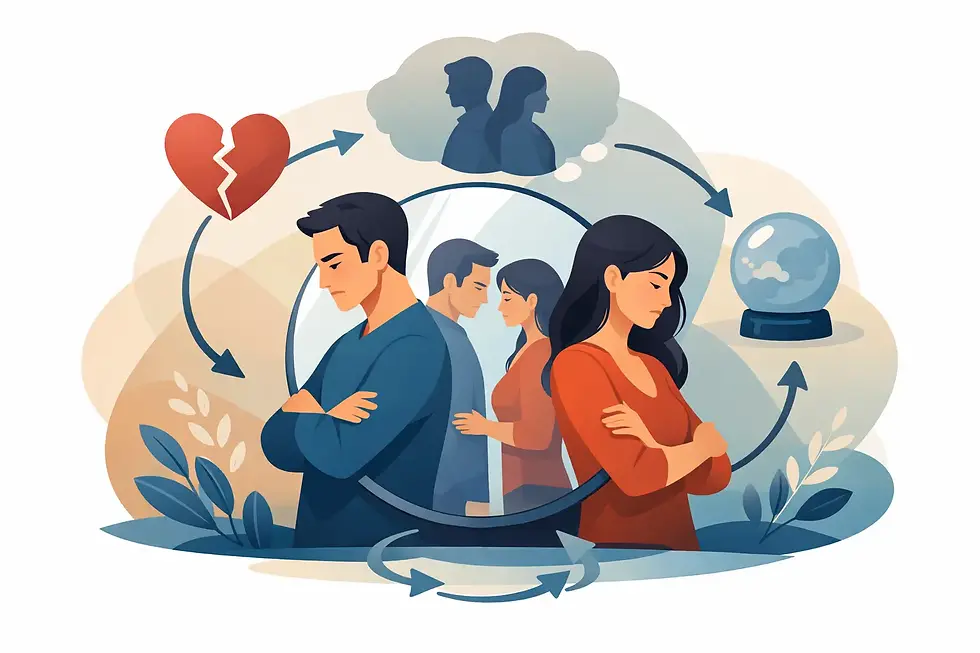
There are days you walk into a meeting and immediately sense that something feels "heavy" in the air. It's not always the conditions or the deadlines that are to blame. Often, what affects the team most is how anger and anxiety circulate from person to person. The subject of "anger and anxiety in the workplace: how to avoid passing them on to your team" isn't just about politeness or self-control. It's about psychological safety, trust, and ultimately the quality of collaboration. In this article you'll see why this transfer of emotion happens, what signs show it has already started, and what you can practically do about it — without suppressing what you feel or venting it onto others.
Why anger and anxiety spread so easily
In the workplace, emotions don't stay a "private matter." The way you speak, the tone of your voice, the speed of your responses, even a curt silence, affect those around you. Research has shown that emotions spread within groups, influencing mood, performance, and collaboration (Barsade, 2002).
Anger often transfers quickly because it triggers defensive reactions. The other person may become aggressive, shut down, or start making mistakes under pressure. Anxiety, on the other hand, spreads more insidiously. It doesn't always look like tension — it can show up as rushing, over-controlling, difficulty delegating, or a constant worry that "something is going to go wrong."
If you're in a position of responsibility, the effect is even greater. The emotional state of the person leading a team acts as a "signal" for how safe or threatening the environment is. This doesn't mean you have to be calm all the time. It means you need to recognize what you're carrying before you let it set the tone for the day.
Anger and anxiety in the workplace: when you start passing them on to your team
It usually doesn't start with an outburst. It starts earlier, when your tolerance drops and you begin operating on "autopilot." You might interrupt more, snap at something small, interpret neutral comments as criticism, or expect others to figure out on their own that you're under pressure.
Another sign is emotional leakage. You say "I'm fine," but your body says something else — tense shoulders, shallow breathing, rushed decisions, irritation over small details. The people around you pick up on it, even if they don't name it.
There's an important distinction here. Having anger or anxiety isn't the problem. It becomes a problem when they start driving your behavior without awareness. Emotional regulation doesn't mean not feeling. It means being able to feel without hurting, frightening, or dysregulating others.
Suppression isn't the solution
Many people try to manage this by "keeping it inside." In the short term, this can seem to work. In practice, though, suppression usually increases physical tension and reduces genuine connection with the team. Research shows that chronic suppression of emotion is linked to greater strain on interpersonal relationships and a lower sense of authenticity (Gross, 1998).
So the goal isn't to put on a "calm mask." The goal is to develop a way of pausing, naming what's happening, and choosing your next move with greater awareness.
Practical ways to avoid passing on anger and anxiety
1. Take a brief pause before you communicate
If you feel like you're boiling over or already overloaded, don't start a difficult conversation in that moment. Give yourself two minutes — not to fully "recover," but to let the intensity drop a little. A few slow exhales, a short break away from the screen, or a brief walk until you feel able to speak without attacking.
This sounds simple, but it's often the point that changes the entire dynamic. The pause isn't weakness. It's a form of responsibility.
2. Name the emotion precisely
"I feel awful" doesn't help much. Ask yourself: am I angry, anxious, disappointed, tired, or do I feel unheard? Precise naming reduces confusion and supports emotional regulation. When you put words to what you feel, you increase the likelihood of responding in a more targeted, less impulsive way (Lieberman et al., 2007).
Sometimes what presents as anger is actually exhaustion. Other times, anxiety is hiding a fear of failure or a sense that you're alone with the responsibility.
3. Talk about the difficulty without putting it on others
There's a big difference between "I'm really under pressure today, let's set priorities" and "no one ever helps around here." The first informs and organizes. The second transfers tension and makes a sweeping accusation.
Good communication doesn't require hiding your difficulty. It requires expressing it without attack, sarcasm, or insinuation. If something has bothered you, speak specifically about the behavior and its impact — not about the other person's character.
4. Watch your pace, not just your content
When we're anxious, we speak faster, listen less, and decide prematurely. This rushed quality passes to the team like a danger signal. Instead of focusing only on what you say, pay attention to the pace at which you say it.
Sometimes the most useful intervention is a slower sentence, a clear tone, and a minute of silence to let the other person respond. Regulating the pace helps the whole system ease its tension.
When you're the one leading, the responsibility is greater but not absolute
If you coordinate a team, it's natural to feel like you have to hold everything together. This often increases your anxiety and ultimately makes you sharper or more controlling. But leadership isn't about never burdening anyone with your difficulty. It's about not asking the team to regulate your emotions for you.
You can say the period is demanding. You can admit there's pressure. What needs attention is not letting your personal tension turn into a climate of permanent alertness for everyone. Psychological safety in teams is linked to better learning, open communication, and less fear of making mistakes (Edmondson, 1999).
What to do if you've already had a negative effect on the team
This happens more often than we think — a bad tone, an unfair reaction, a day when anxiety overflows. You don't need to deny it or dramatize it. You need to acknowledge it.
A brief, clear repair goes a long way. "Yesterday I spoke sharply, and I understand that created tension. That wasn't helpful." It doesn't need lengthy explanations or defensiveness. Taking responsibility reduces insecurity and shows that the relationship has room to recover.
If you notice this repeating, it may not simply be a matter of "having a bad day." It could be a sign that you're under prolonged pressure, with limited tolerance and unprocessed load. This is where therapeutic work can genuinely help — not just to feel better, but to develop a steadier way of showing up in your relationships and at work.
Anger and anxiety in the workplace: not solved by technique alone
Techniques are useful, but they're not always enough. If you've learned to function permanently in a state of overactivation, if you struggle to set boundaries, or if anger is the only way you express tiredness and disappointment, then the issue runs deeper. It's not your fault, but it's worth looking at.
Often, behind excessive irritability lies a consistent pattern: a lot of responsibility, little self-care, high demands, and almost no space to process. This changes once you start understanding what triggers you, when you lose your regulation, and how to come back before you damage the collaboration you want to protect.
Not passing on your anger and anxiety to your team doesn't mean becoming "perfect" or unshakeable. It means becoming more honest, more responsible, and more conscious of how you affect others. And that, in practice, is a deeply mature form of care.
Sometimes the most meaningful change at work isn't becoming more productive, but learning not to scatter onto the people around you the weight you're carrying alone.
References
Barsade, S. G. (2002). The ripple effect: Emotional contagion and its influence on group behavior. Administrative Science Quarterly, 47(4), 644-675.
Edmondson, A. (1999). Psychological safety and learning behavior in work teams. Administrative Science Quarterly, 44(2), 350-383.
Gross, J. J. (1998). The emerging field of emotion regulation: An integrative review. Review of General Psychology, 2(3), 271-299.
Lieberman, M. D., Eisenberger, N. I., Crockett, M. J., Tom, S. M., Pfeifer, J. H., & Way, B. M. (2007). Putting feelings into words: Affect labeling disrupts amygdala activity in response to affective stimuli. Psychological Science, 18(5), 421-428.